3D Layered Butterfly 4: A Designer's Review
As a professional embroidery designer and product reviewer, I approach every new digital asset with a critical eye. When evaluating 3D Layered Butterfly 4 - Svg Eps Ai Png, my primary concern is not just how the graphic looks on a screen, but how it translates into thread, texture, and tangible value for a handmade business. This multilayer design offers significant potential for crafters and Etsy sellers, but its success depends entirely on understanding its structural nuances before the needle hits the fabric.
First Impressions and Visual Personality
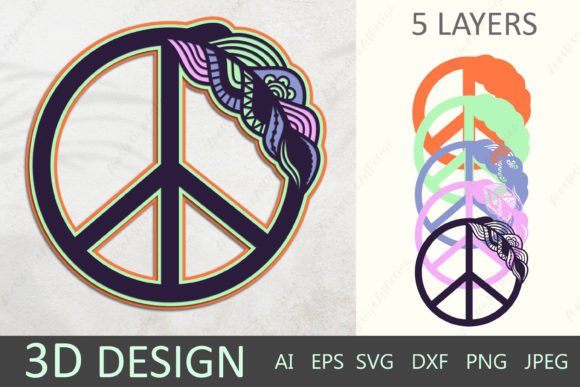
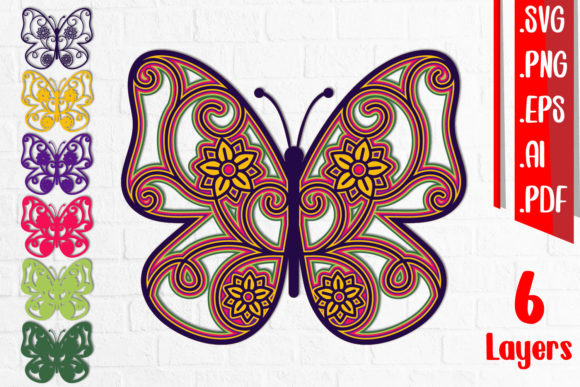
Upon opening the zip file containing the AI, EPS, SVG, PDF, and PNG formats, the immediate strength of this design is its dimensional promise. Unlike flat vector art, a "3D layered" aesthetic in the Crafts category implies depth that must be achieved through strategic stitching or physical assembly. The visual personality of 3D Layered Butterfly 4 feels organic yet structured, suggesting a balance between delicate detail and bold outlines necessary for visibility at various sizes.
For an embroidery project, this mood dictates the application. It does not feel like a generic clip-art addition; rather, it carries the weight of a focal point. The layers suggest opportunities for mixed media or varied stitch types, which is crucial for creating high-perceived-value items. As a Graphics asset, it provides clean lines in the vector formats, but as an embroidery foundation, it demands a thoughtful approach to stitch density and fabric interaction to truly capture that intended three-dimensional effect.
Real-World Application: The Custom Tote Bag Test
To properly evaluate this design, I mentally placed it in a real-life production scenario: creating a premium canvas tote bag for a boutique spring collection. Tote bags are a staple for small shop products because they offer a large, stable canvas for machine embroidery design work. However, canvas has a distinct fabric texture that can swallow fine details.
In this context, 3D Layered Butterfly 4 - Svg Eps Ai Png serves as an excellent candidate for an applique design or a heavy fill stitch composition. If I were stitching this out, I would utilize the separate layers to create actual physical dimension—perhaps using felt or cotton sashing for the bottom wing layers and a shiny rayon or polyester thread for the top details. This technique transforms a digital file into a tactile experience. Customers at a craft fair or browsing an Etsy listing are drawn to texture; they want to see that the butterfly lifts off the bag. Using the SVG or EPS files to cut precise fabric pieces ensures that the registration remains tight, preventing the messy gaps that devalue a finished product.
Alternatively, for sweatshirt embroidery, the design’s layered nature allows for color blocking that mimics shading without excessive stitch count. Heavy sweatshirts cannot handle overly dense satin stitch areas without puckering. By leveraging the distinct layers of this design, a maker can use lighter fill stitches on lower layers and reserve denser satin stitches only for the topmost accents, maintaining garment drape while delivering visual impact.
Navigating Fabric Limitations and Hoop Constraints
While versatile, this design requires caution in specific environments. Not every substrate is friendly to multilayer complexity. Here is where practical judgment must override creative enthusiasm:
- Stretchy Fabrics: On performance wear or thin knits, the multiple layers of 3D Layered Butterfly 4 could cause distortion. If you plan to use this for baby embroidery or lightweight apparel, you must verify the stitch density. Too many overlapping layers will create a bulletproof patch effect that is uncomfortable against skin and prone to warping the garment.
- Small Hoop Sizes: Detail is often the first casualty when scaling down. Before committing this to a cap or sleeve cuff, test the smallest intended size. Intricate inner wing details may merge into indistinguishable blobs if reduced below a certain threshold. Always check your machine's minimum recommended size for the specific embroidery file type you are converting from.
- Dark vs. Light Backgrounds: The PNG preview is essential here. Test the design in black and white mockups to ensure contrast holds up. On dark fabrics, the shadow layers of a 3D design can get lost unless outlined or highlighted with a running stitch. Conversely, on white fabric, ensure the thread colors have enough saturation to define the separation between layers.
- Curved Surfaces: Caps and curved pillows present unique challenges. A flat, multilayer design may not wrap correctly. You may need to adjust the digitizing or manually manipulate the layers to account for the curve, ensuring the butterfly doesn't look distorted when worn.
Impact on Brand Value and Customer Trust
For creative entrepreneurs and commercial embroidery businesses, consistency is currency. Using a cohesive asset like 3D Layered Butterfly 4 - Svg Eps Ai Png across multiple product lines—from nursery decor to holiday gifts—builds brand recognition. However, poor execution destroys trust faster than good design builds it.
When a customer receives a personalized gift or purchases a boutique item, they are judging the professionalism of the maker. Clean edges, proper stabilizer usage, and intentional layering signal quality. If the layers gap, pucker, or sink into the fabric, the item looks homemade rather than handmade. This design’s separated layers are a double-edged sword; they allow for stunning depth when executed well, but they expose technical flaws more readily than simple flat designs. Mastering this file demonstrates competence to your buyers, justifying higher price points for custom apparel and embroidered patches.
Essential Designer Notes for Production
Before listing any finished product derived from this asset, adhere to these professional protocols:
- Verify Licensing: The product description confirms instant digital download and file formats, but always double-check the specific license terms regarding commercial use of finished products versus selling the digital embroidery file itself. Protect your business by knowing exactly what is permitted.
- Stabilizer Selection is Non-Negotiable: For multilayer designs, standard tear-away stabilizer is rarely sufficient. Use a high-quality cut-away for apparel to support the weight of the layers, or a fusible mesh for sheer fabrics. Test on scrap fabric identical to your final project first.
- Thread Color Strategy: Do not rely solely on screen colors. Thread reacts differently to light than pixels do. Create a physical color chart. For the 3D effect, consider using matte threads for base layers and sheen threads for top layers to enhance the perception of depth physically.
- Mockup Accuracy: Use the included PNG for printable mockups, but be honest about the representation. If your actual stitching uses a different texture or scale, note this in your listing. Accurate previews reduce returns and increase buyer engagement.
- Wash Testing: If selling tea towels, aprons, or baby items, wash your test sample. Multilayer designs can trap moisture or shrink unevenly. Ensure the design survives the laundry cycle before promising durability to customers.
3D Layered Butterfly 4 - Svg Eps Ai Png is a robust asset for the serious maker. It bridges the gap between digital graphics and tactile craftsmanship, offering ample room for creativity in everything from Etsy listings to commercial merchandise. By respecting the technical requirements of layering and testing thoroughly on your chosen substrates, you can transform this digital download into a signature element of your handmade portfolio. Remember, the file provides the blueprint, but your expertise in stabilization, hooping, and material selection brings the butterfly to life.