Easter Blessing: 3D Layered Paper Cut Review
As a designer who bridges the gap between digital graphics and tactile embroidery, I approach every new asset with a specific question: will this translate beautifully into thread? When evaluating Easter Blessing - 3D Layered Paper Cut 6, my focus shifts immediately from screen to hoop. This design originates as a square-sized, 3D layered paper cut SVG, typically intended for laser cutting or digital crafting. However, for those of us in the Crafts and apparel decoration space, it presents a unique opportunity to create textured, dimensional embroidery that mimics the intricate depth of paper art. Before you load this embroidery file into your machine for a client project or shop listing, it is vital to understand how its vector roots influence its performance as a stitched product.
Translating Vector Depth to Stitched Texture
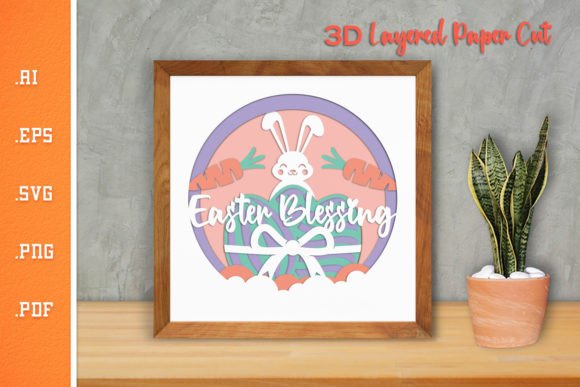
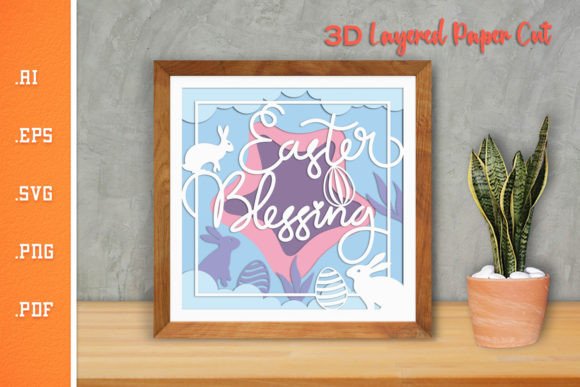
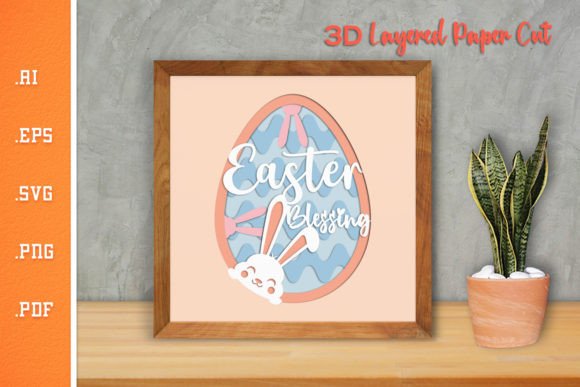
The first impression of Easter Blessing - 3D Layered Paper Cut 6 is one of delicate complexity. The "3D layered" aspect implies distinct foreground, mid-ground, and background elements. In a digital Graphics context, this is achieved through opacity and shadow. In embroidery, we must achieve this through stitch density and layering order. Visually, the design evokes a soft, vintage Easter mood, likely featuring floral motifs, religious iconography, or spring fauna arranged in a balanced square composition.
For an embroidery digitizer or adapter, this visual personality suggests a move away from flat fills. To honor the source material, this machine embroidery design demands strategic use of satin stitch borders to define layers and varying fill stitch patterns to create separation without excessive bulk. If you are using the included transparent PNG or SVG as a base for auto-digitizing or manual tracing, pay close attention to the negative space. In paper cutting, negative space is empty; in embroidery, it is fabric. Ensuring the fabric texture complements the open areas of the design is just as important as the thread coverage itself.
Real-World Application: The Boutique Sweatshirt Test
To truly evaluate this asset, I mentally placed Easter Blessing - 3D Layered Paper Cut 6 onto a high-demand item in my current lineup: a cream-colored, heavyweight cotton sweatshirt for a spring boutique collection. My goal was to create a personalized gift option that felt heirloom-quality rather than mass-produced.
In this scenario, the square format of the design works exceptionally well as a center chest placement or a large back print. Because the original asset is designed for layering, I envisioned adapting it into a mixed-media applique design. Instead of stitching out every single layer of the "paper cut" effect, which could result in a bulletproof patch of thread, I used the SVG lines as guides for cutting fabric appliques for the bottom two layers, reserving detailed running stitch and satin accents for the topmost details. This approach maintains the 3D aesthetic while keeping the sweatshirt embroidery soft and wearable.
From a business perspective, this adaptation increases perceived value. Customers on Etsy or at craft fairs respond to texture. When they see a design that looks like intricate paper lace but feels like premium needlework, it justifies a higher price point. The included AI and EPS files are invaluable here, allowing me to resize individual elements without losing line integrity before converting to a digital embroidery file. This flexibility ensures the finished product retains crisp edges even when scaled for different garment sizes.
Navigating Fabric Limitations and Hoop Constraints
While Easter Blessing - 3D Layered Paper Cut 6 is versatile, its intricate nature requires caution. Not every substrate can handle the detail inherent in a layered paper cut style. I would advise against using this specific design on highly textured fabrics like terry cloth or boucle unless you significantly simplify the details. The fine lines that mimic paper cuts will get lost in the pile, resulting in a muddy appearance.
Similarly, be wary of stretchy knits without proper stabilization. The density required to simulate 3D layers can cause puckering on lightweight jersey. Always pair this design with a robust stabilizer strategy—perhaps a cut-away for stability and a water-soluble topper to keep stitches clean. For baby embroidery or delicate linens, consider reducing the overall size or removing inner detail layers to prevent the fabric from becoming too stiff. A tote bag design on canvas is generally safer for full-detail reproduction than a thin tea towel.
Hoop size is another critical factor. Since this is a square design, ensure your hoop accommodates the full width plus adequate margin for tension. If you must split the design for a smaller hoop, plan the join lines carefully along natural breaks in the artwork to maintain the illusion of continuity. Always verify the final dimensions against your machine’s capabilities before committing to a commercial embroidery run.
Professional Workflow and Asset Management
One of the strongest selling points of this package is the comprehensive file inclusion. Receiving AI, EPS, PDF, SVG, and transparent PNG files (including flipped versions) streamlines the workflow for Etsy sellers and small shop product developers. However, professional due diligence is still required.
- Test on Scrap Fabric First: Never assume a vector-to-stitch conversion is perfect. Run a sew-out on the exact fabric you intend to sell. Check for registration issues between layers.
- Evaluate Thread Color Contrast: Paper cuts rely on shadow; embroidery relies on color value. Test thread colors in both natural and artificial light. A monochromatic scheme often highlights the 3D structure better than high-contrast multicolor for this specific style.
- Mockup Verification: Use the transparent PNG and flipped PNG assets to create accurate printable mockups for your listings. This helps customers visualize the handmade product before purchase, reducing returns and increasing trust.
- Licensing Confirmation: While the files are provided for creative use, always double-check the specific license terms regarding design assets. Confirm whether you can sell finished embroidered items, digital files, or both. Protecting your craft business means respecting intellectual property boundaries.
- Detail Inspection: Zoom in to 400% on the SVG. Are there gaps less than 1mm? These may not stitch out cleanly. Edit nodes in Illustrator or CorelDraw before digitizing to ensure smooth paths.
Elevating Brand Consistency Through Design Choice
Choosing Easter Blessing - 3D Layered Paper Cut 6 signals a commitment to sophistication. In a market saturated with generic clipart, utilizing a design rooted in architectural paper-cut principles sets your brand apart. It suggests that you, as a maker, understand composition and depth. Whether applied to a custom apparel line, a set of holiday napkins, or an embroidered patch for resale, the design carries an intrinsic elegance.
However, remember that elegance requires restraint. The success of this embroidery project hinges on your willingness to adapt the graphic for the medium. Do not force the thread to imitate paper exactly; let the thread interpret the paper. By balancing the original artistic intent with practical embroidery mechanics, you transform a digital download into a tangible asset that drives sales and satisfies clients. Ultimately, this design is a powerful tool for the prepared embroiderer, offering a pathway to create holiday embroidery that feels both timeless and distinctly handmade.