Landscape 3D Shadow Box SVG: Graphics for Crafts
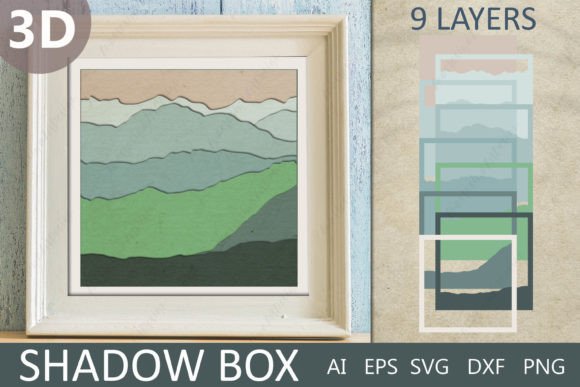
As a digital publisher and blog designer, I constantly evaluate visual assets not just for their aesthetic appeal, but for their functional utility in a content marketing strategy. When I first encountered the Landscape 3d, Shadow Box Svg Layered asset, my immediate assessment focused on its potential to bridge the gap between physical crafting and digital presentation. This is not merely a file for cutting machines; it is a sophisticated graphic design asset that communicates depth, texture, and artisanal quality. For publishers in the DIY, home decor, or outdoor lifestyle niches, this mountain scene shadow box design offers an editorial mood that feels both modern and deeply tactile. It avoids the flat, sterile look of generic vector art, instead providing a sense of layered realism that can significantly elevate reader perception of your content’s quality.
Establishing Editorial Authority Through Visual Depth
In the current landscape of web design and content publishing, trust is often established within milliseconds of a page load. The Landscape 3d, Shadow Box Svg Layered asset excels here because it mimics the complexity of real-world objects. When used as a featured image or website header, the implied three-dimensionality signals to the reader that the content is detailed and well-crafted. This is particularly effective for blogs focusing on handmade goods, Cricut or Silhouette tutorials, or nature-inspired home decor. The visual hierarchy created by the layered mountain elements naturally draws the eye inward, encouraging longer dwell times. Unlike standard stock photography, using this type of creative design demonstrates a specific brand identity that resonates with audiences who value precision and artistic effort. It transforms a standard blog post into a visual experience, reinforcing the authority of the publisher as someone who understands both digital media and physical craftsmanship.
Strategic Applications Across Digital Publishing Channels
The versatility of this graphic design asset extends far beyond a single blog header. In my own publishing workflow, I have found that layered SVG files like this are indispensable for creating cohesive visual ecosystems across multiple platforms. Because the asset includes compatible AI, SVG, DXF, EPS, and PNG files, it integrates seamlessly into various design software and Canva templates. Here is how this asset performs in real-world publishing scenarios:
- Pinterest Pin Optimization: The verticality and depth of the mountain scene make it ideal for Pinterest graphics. The high contrast between layers ensures readability even at small mobile sizes, driving higher click-through rates for craft tutorials.
- Digital Product Mockups: If you sell printable designs or lead magnets related to papercrafts, rendering this shadow box digitally serves as a perfect mockup. It visualizes the end result for the customer without requiring you to physically cut and photograph every variation.
- Newsletter Headers: Email marketing often suffers from flat visuals. Using this 3D wall art decor style in newsletter banners adds a premium feel that increases open rates and engagement with affiliate marketing links.
- Category Thumbnails: For sites with extensive archives, this asset provides a consistent visual anchor. It helps users instantly recognize content categories related to 3D paper art, landscape crafts, or seasonal decor.
- Social Media Graphics: The clean lines and distinct layers allow for easy recoloring to match seasonal campaigns or specific brand palettes, ensuring your Instagram and Facebook feeds remain visually synchronized.
Enhancing Content Performance and Brand Consistency
From a performance marketing perspective, the Landscape 3d, Shadow Box Svg Layered asset supports key metrics. Stronger first impressions lead to lower bounce rates, while clearer visual hierarchy guides readers toward calls to action, such as downloading a digital guide or purchasing a commercial license for their own projects. Consistent use of this design language builds a recognizable brand identity. When readers see the distinctive layered mountain aesthetic, they begin to associate it with your specific editorial voice. This recognition is vital for small business branding and affiliate marketing, where distinguishing your recommendations from competitors is essential. Furthermore, because this is a scalable vector-based asset, it maintains crispness on retina displays and large monitors alike, preventing the pixelation that often undermines professional credibility in web design.
Contextual Suitability: Where This Asset Shines
While versatile, this asset is not a universal solution. It performs exceptionally well in hero images for tutorial posts, article thumbnails for craft roundups, and as decorative accents in downloadable worksheets or eBooks. The organic shapes of the mountain scene pair beautifully with serif fonts for a classic editorial look or handwritten scripts for a personal, journal-style blog. However, publishers must exercise caution in certain contexts. Avoid using this intricate design for very small mobile navigation icons where the layers may blur together. It can also clash with text-heavy blog images if the background contrast is not managed carefully. Additionally, for corporate B2B content or highly minimalist tech websites, the decorative nature of this 3D wall art decor might feel out of place. Always align the asset’s artistic weight with the tone of your specific article or landing page.
Critical Publisher Notes for Professional Implementation
Before integrating the Landscape 3d, Shadow Box Svg Layered into a live production environment, experienced publishers should adhere to a rigorous testing protocol. First, always verify the commercial license terms; just because a file is available as a digital download does not automatically grant rights for monetized affiliate pages or paid content products. Second, test the rendered PNG versions on both desktop and mobile screens to ensure the shadow effects do not create muddy edges against your website’s background color. Third, review file sizes for web performance; while vectors are lightweight, complex rasterized exports can slow down page load speeds. Compress images properly before uploading.
I also recommend testing the asset alongside your primary typography. Place it beside your chosen sans serif, display, and body fonts to check for visual harmony. Does the intricate layering compete with your headline, or does it frame it effectively? Try viewing the design in black and white to ensure the visual hierarchy relies on value contrast rather than just color differentiation. Finally, confirm compatibility with your specific tech stack. While the product description notes compatibility with AI, SVG, DXF, EPS, and PNG files, you must ensure your specific version of Illustrator, Canva, or CMS theme accepts these formats without corruption. By treating this graphic design asset with the same technical scrutiny as any other element of your web design infrastructure, you ensure it contributes to a polished, professional, and high-performing content platform.
Final Thoughts on Editorial Integration
The Landscape 3d, Shadow Box Svg Layered represents a valuable intersection of digital utility and artistic expression. For bloggers, educators, and marketers in the crafts space, it offers more than just a pretty picture; it provides a structural element for building visual trust. Whether you are creating a new lead magnet, refreshing your blog graphics, or designing a comprehensive digital guide, this asset brings a level of sophistication that generic stock imagery cannot match. By understanding its strengths in visual communication and adhering to best practices for implementation, publishers can leverage this mountain scene design to create content that is not only clickable but genuinely memorable. In a crowded digital marketplace, such distinctive editorial design is often the differentiator that turns casual visitors into loyal subscribers and customers.