Mandala Yoga SVG 3d Layered: An Embroidery Review
As a designer who bridges the gap between digital graphics and tangible textiles, I approach every new file with a specific question: will this actually stitch out beautifully, or is it just a pretty picture on a screen? When evaluating the Mandala Yoga SVG 3d Layered design, my perspective shifts from simple vector appreciation to practical embroidery engineering. This file is marketed primarily for cutting machines like Cricut, Silhouette, and laser cutters, utilizing materials such as paper, vinyl, and wood. However, for those of us in the Crafts and Graphics space who also operate embroidery machines, this layered aesthetic presents a unique opportunity—and a distinct set of challenges—for creating high-value textile products.
Translating Vector Layers into Stitch Texture
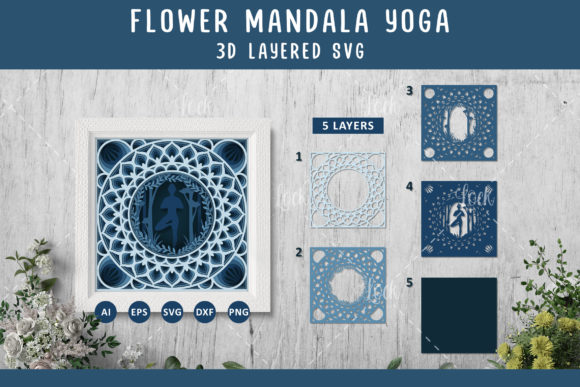
The first impression of the Mandala Yoga SVG 3d Layered file is one of meditative complexity. The "3D" aspect in a vector format implies depth through overlapping shapes, shadows, and distinct color separations. For an embroidery digitizer or adapter, this is gold. Unlike flat, single-color icons, this design provides a natural roadmap for texture. When I look at this layout, I don't just see lines; I see potential for combining satin stitch borders with fill stitch interiors to mimic that visual depth physically.
However, because this is originally a cutting file, we must be realistic about translation. Vectors are mathematically perfect; thread has thickness and tension. The intricate mandala patterns that look crisp in SVG format can become muddy if not adapted correctly for needle and thread. As an embroidery project, this design demands respect for stitch density. If you attempt to replicate every single layer of the original graphic with heavy coverage, you risk creating a bulletproof patch that distorts your fabric. The art lies in editing: converting some inner layers to running stitch details or removing redundant overlaps to maintain the drape of the garment.
Real-World Application: The Custom Tote Bag Test
To truly judge the viability of the Mandala Yoga SVG 3d Layered for commercial use, I mentally placed it on a canvas tote bag intended for a yoga studio boutique. This is a classic scenario for an Etsy seller or small shop owner. A tote bag offers a stable, medium-weight canvas that handles machine embroidery design well, but it also shows off alignment issues ruthlessly.
In this real-life scenario, the "layered" nature of the design becomes a selling point. Instead of printing the mandala, stitching it adds perceived value. Customers associate textured, multi-layered embroidery with premium handmade product quality. For a tote bag design, I would utilize the outer rings of the mandala as an applique design using contrasting linen or cotton fabrics, securing them with satin stitches. The inner yoga motifs could then be stitched directly onto the base canvas. This hybrid approach reduces total stitch count while maximizing the 3D visual effect. It transforms a standard accessory into a personalized gift that feels bespoke rather than mass-produced.
From a business perspective, this versatility is crucial. Whether you are creating custom apparel, sweatshirt embroidery, or nursery decor, the ability to resize this SVG without losing quality means you can offer the same cohesive branding across a 4-inch hoop for a baby onesie and a 6-inch hoop for a throw pillow. Consistency builds brand recognition, and this design’s scalable geometry supports that perfectly.
Navigating Fabric Limitations and Hoop Constraints
While the Mandala Yoga SVG 3d Layered is versatile, it is not universally forgiving. As an experienced reviewer, I must highlight where caution is necessary. Intricate mandalas often feature tight corners and dense central points. On stretchy fabrics like jersey knits used for t-shirts or baby clothes, this density can cause puckering if the stabilizer choice is inadequate. You cannot simply hoop and hope; a cut-away stabilizer is likely mandatory to support the structural integrity of the design.
Furthermore, consider the hoop size. Mandalas are circular by definition. If your machine’s maximum field is 4x4 inches, resizing this complex design down to fit may result in lost detail. Tiny gaps between layers might close up entirely once thread swell is accounted for. Always test the scaled-down version. Conversely, on dark fabrics, the layered effect relies heavily on thread colors contrast. If the values are too similar, the 3D illusion vanishes, leaving a flat, confusing image. I strongly recommend testing digital embroidery file conversions in grayscale mockups before committing expensive thread to the final product.
For items requiring frequent washing, such as kitchen towels or baby embroidery, durability is paramount. Ensure that any appliqué edges are securely anchored and that floating decorative elements aren't so long that they snag. The beauty of the Mandala Yoga SVG 3d Layered should never compromise the utility of the finished product.
Elevating Perceived Value and Customer Trust
In the competitive landscape of commercial embroidery and digital marketplaces, presentation dictates price. A well-executed adaptation of this design signals professionalism. When a buyer sees clean registration, balanced density, and thoughtful color choices in a printable mockup or product photo, their trust increases. They understand that this isn't a generic clip-art stitch-out; it is a curated piece of textile art.
For creative entrepreneurs selling design assets or finished goods, this mandala serves as an excellent portfolio piece. It demonstrates technical proficiency in handling complex geometries and artistic sensibility in color theory. Whether used for holiday embroidery on stockings or as a serene emblem on meditation cushions, the design carries an inherent emotional resonance. It connects with the wellness niche authentically, which drives engagement far better than generic trends.
Essential Designer Notes for Successful Execution
Before you load the Mandala Yoga SVG 3d Layered into your software or machine, adhere to these practical checkpoints to ensure professional results:
- Verify Licensing: Since this is a graphics product, confirm whether your purchase includes rights for commercial embroidery sales or if it is limited to personal crafting and physical cutting projects.
- Digitize with Intent: Do not auto-digitize. Manually assign stitch types to preserve the intended 3D hierarchy. Use underlay stitches to stabilize the fabric before top stitching detailed areas.
- Test on Scrap Fabric: Always run a sew-out on material identical to your final project. Check for registration errors between layers and adjust pull compensation as needed.
- Contrast Check: Evaluate your thread palette against the fabric background. The layered effect fails without sufficient value contrast. Light on dark or dark on light works best; tonal blending requires expert digitizing.
- Stabilizer Strategy: Match your stabilizer weight to the design density and fabric type. Complex mandalas often require heavier support than simple text designs.
- Mockup Validation: Create black and white versions of your digitized file to check structural clarity independent of color. If the design reads poorly in monochrome, it needs structural adjustment.
- Scale Appropriately: Respect the minimum legible size. If details disappear below a certain dimension, create a simplified variation specifically for small hoops rather than forcing a complex shrink.
The Mandala Yoga SVG 3d Layered is a powerful asset for makers who are willing to bridge the digital-physical divide with care. By treating this vector graphic as a blueprint for texture rather than a rigid template, you can create embroidered goods that stand out for their craftsmanship and intentionality. Whether you are stocking an Etsy shop or fulfilling custom client orders, success lies in respecting both the artistry of the mandala and the physics of the thread.