3D Paper Cut Butterfly SVG: An Embroidery Review
As a designer who spends more time behind an embroidery machine than a computer screen, I approach every new graphic with a healthy dose of skepticism. When I first opened the 3d Paper Cut Butterfly Svg, I wasn't just looking for a pretty shape; I was mentally digitizing it. The "paper cut" aesthetic is incredibly trendy in the world of Crafts and digital Graphics right now, but translating that layered, shadowed paper look into thread requires careful consideration. After reviewing the vector files and testing the concept on actual fabric, here is my honest assessment of how this design performs for real-world embroidery projects.
First Impressions: Visual Depth vs. Stitch Reality
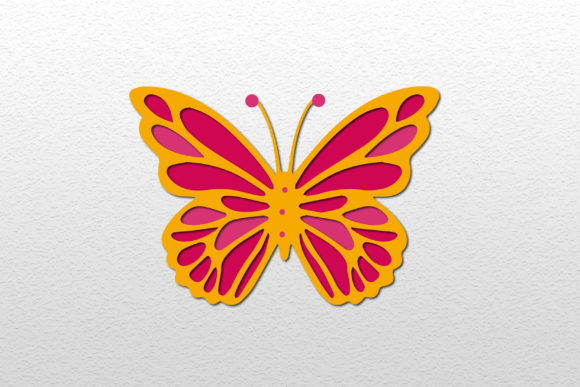
The immediate appeal of this 3d Paper Cut Butterfly Svg lies in its illusion of depth. On screen, the layers create a sense of dimension that feels modern and whimsical. For an embroidery designer, this is both exciting and challenging. The 300 DPI resolution ensures the lines are crisp when imported into digitizing software, and the 100% vector format means I can scale it from a tiny baby bib motif to a large tote bag centerpiece without losing edge definition.
However, the "paper cut" style relies heavily on clean edges and distinct separation between layers. In embroidery, we cannot rely on digital drop shadows. Instead, we have to create physical depth through stitch density and layering. My first impression was that this design is begging to be treated as an applique design rather than a standard fill stitch pattern. The bold, graphic shapes suggest using fabric layers to mimic the paper effect, which would result in a much higher quality finished product than trying to simulate paper texture with thousands of satin stitches.
Real-World Test: Custom Sweatshirt Application
To truly evaluate this asset, I applied it to a project that is currently dominating my Etsy shop orders: custom crewneck sweatshirts. I chose a mid-weight cotton fleece in a dusty rose color. The goal was to create a personalized gift that felt boutique-quality rather than mass-produced.
Using the EPS file provided in the ZIP folder, I modified the colors easily to match a trending autumn palette. Because the vector paths are clean, separating the butterfly wings into individual applique pieces took minutes rather than hours. During the stitching process, the design’s geometry held up beautifully. The sharp angles characteristic of paper-cut art translated well to satin stitch borders, provided I used adequate underlay to prevent the fleece from pushing through.
The result was striking. The physical layers of fabric created genuine 3D relief that customers love to touch. This tactile element is what sells handmade products over factory-made alternatives. For small business owners, this specific aesthetic signals "intentional design." It doesn't look like a generic clip-art dump; it looks like a curated piece of wearable art. If you are selling at craft fairs or online, this level of visual sophistication helps justify premium pricing.
Where to Exercise Caution in Production
While the 3d Paper Cut Butterfly Svg is versatile, it is not foolproof. Through my testing, I identified several scenarios where this design demands extra attention:
- Stretchy Fabrics: The intricate inner details of the butterfly wings can distort on ribbed knits or spandex blends. Always use a high-quality stabilizer and consider a topping to keep the stitches from sinking into the texture.
- Small Hoop Sizes: Reducing this design below 3 inches risks losing the "paper cut" clarity. The negative spaces between wing segments may close up during stitching. Always run a test sew-out before committing to a final garment.
- Curved Surfaces: Placing this geometric design on a structured cap can cause alignment issues. The flat nature of the vector doesn't naturally account for the curve of a hat brim. Flatten your mockups and adjust placement carefully.
- Frequent Washing: If using this for baby embroidery or kitchen towels, avoid excessive decorative running stitches that mimic paper texture. They are prone to snagging. Opt for secure satin borders and tight fill stitches to ensure the item survives the laundry cycle.
Impact on Brand Value and Customer Trust
In the saturated market of digital embroidery files and finished goods, professionalism is your currency. Using a high-resolution vector source like this directly impacts the perceived value of your work. When a customer receives an embroidered patch or a nursery pillow featuring this butterfly, the clean lines and balanced proportions communicate competence.
Poorly sourced graphics often result in jagged edges or uneven stitchouts that make a brand look amateurish. Conversely, the smooth curves and intentional layering of this SVG allow for consistent results across different products. Whether you are creating matching holiday embroidery sets or branding merchandise for a local business, this consistency builds trust. Buyers recognize quality, even if they cannot articulate why one butterfly looks better than another. It usually comes down to the integrity of the original design assets.
Practical Notes for Makers and Sellers
Before you load this file into your machine or list a product derived from it, please heed these practical recommendations based on my experience:
- Verify Licensing: While the product description highlights technical specs like the EPS background transparency and vector editability, always double-check the commercial license terms. Confirm whether you can sell the digital embroidery file itself or only the physical finished product.
- Mockup Testing: Use the vector file to create printable mockups for your listings before you even stitch. The clean lines make for excellent digital previews. However, always pair these with photos of actual stitch-outs to manage customer expectations regarding texture.
- Thread Color Contrast: The 3D effect relies on contrast. Test your thread colors against your base fabric in natural lighting. A tone-on-tone approach works for subtle elegance, but high contrast emphasizes the paper-cut silhouette.
- Stitch Density Check: Even though this is a vector graphic, your digitizing settings matter. Ensure your stitch density is appropriate for your chosen fabric weight. Too dense, and the fabric puckers; too sparse, and the "paper" look fails.
- File Management: Since you receive a ZIP folder, organize your assets immediately. Keep the master EPS file safe for future resizing, and save specific machine formats separately to avoid overwriting your source material.
Final Verdict for Creative Entrepreneurs
The 3d Paper Cut Butterfly Svg is a robust tool for the serious crafter or apparel decorator. It bridges the gap between digital art trends and tangible textile craftsmanship. Its strength lies in its adaptability; it serves equally well as a delicate accent on a tea towel or a bold statement on a denim jacket. By respecting the technical requirements of translating vector art to thread—specifically regarding stabilization, scaling, and fabric choice—you can turn this graphic into a best-selling staple in your creative business. Just remember: the file provides the map, but your skill as an embroiderer drives the journey. Test thoroughly, stitch confidently, and let the dimensional beauty of this design elevate your next collection.