3D Summer Paper Cut SVG: An Embroidery Review
As a professional embroidery designer and product reviewer, I approach every new digital asset with a healthy dose of skepticism. When I first opened the 3d Summer Paper Cut SVG File Bundle, my immediate thought was not about how it would look on a screen, but how it would translate under the needle. This collection is explicitly marketed for laser cutting and CNC routers, featuring multilayer layouts that create depth through physical stacking. However, for those of us in the Crafts and apparel decoration space, these intricate vector files present a unique opportunity to create mixed-media masterpieces. My review focuses entirely on the practical application of this bundle for real-world embroidery projects, moving beyond the digital preview to assess its viability for handmade products and commercial listings.
Translating Laser Layers into Stitched Texture
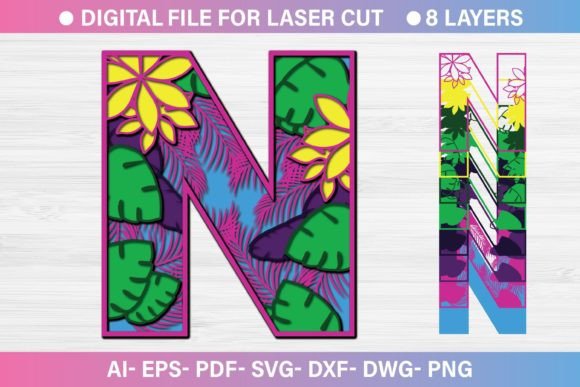
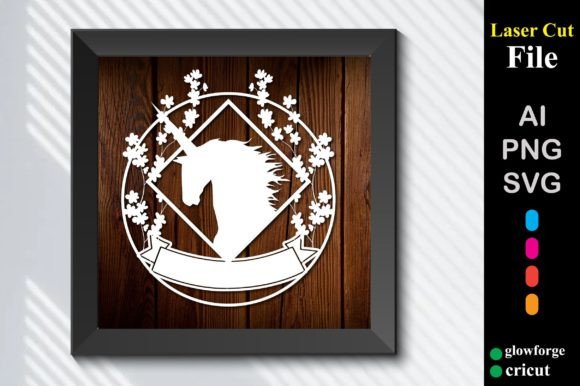
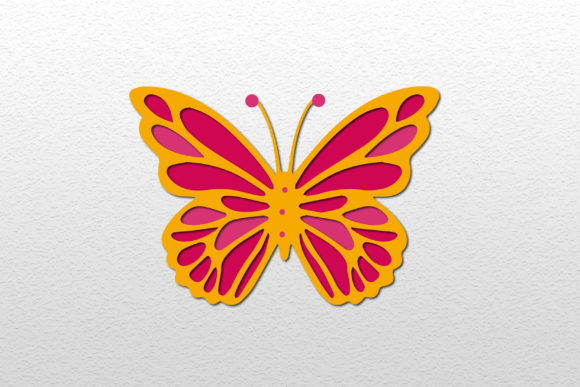
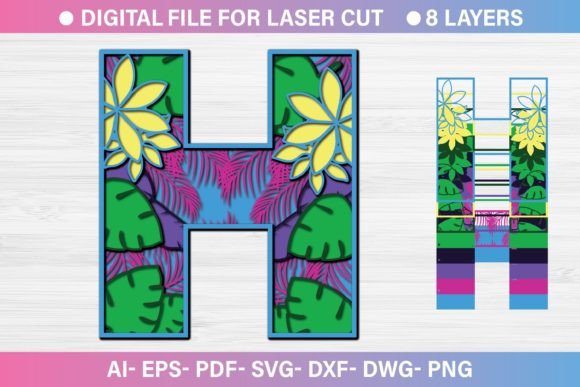
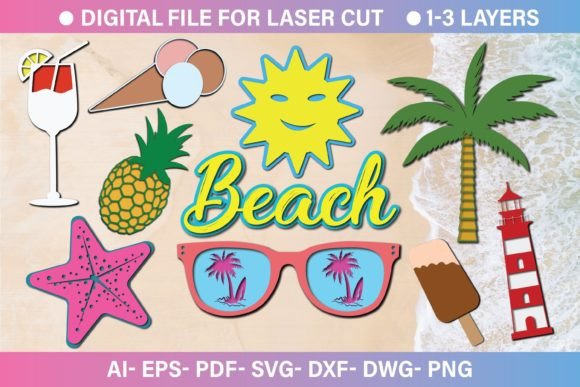
The visual personality of the 3d Summer Paper Cut SVG File Bundle is distinct. It evokes a sense of nostalgic summer whimsy, relying on clean lines and overlapping shapes to create dimension. As an embroidery file source, this aesthetic is both a blessing and a challenge. The "paper cut" style naturally lends itself to applique design, where fabric layers mimic paper layers. However, because these vectors were originally prepared for laser cutters, they lack inherent stitch attributes. You cannot simply load this into your machine; you must digitize or adapt it.
In my assessment, the strength of this bundle lies in its bold silhouettes. The shapes are substantial enough to support satin stitch borders without losing definition. For a custom apparel project, such as a sweatshirt embroidery piece, the layered concept allows you to use different fabric textures to replicate the 3D effect. Instead of relying solely on dense fill stitch to create shadows, you can use actual fabric layering. This reduces the overall stitch density, resulting in a softer, more wearable finished product that still captures the dimensional charm of the original graphics.
Real-World Application: The Custom Tote Bag Test
To truly evaluate this bundle, I applied it to a specific scenario: creating a premium tote bag design for a boutique summer collection. Tote bags are high-stakes items for any Etsy seller or small shop product line because they serve as walking billboards for your brand. I selected a floral motif from the bundle that featured three distinct layers.
Rather than stitching the entire design as a flat digital embroidery file, I used the SVG outlines to cut fabric pieces with my cutting machine, then incorporated them into the embroidery process. The result was a hybrid applique design that stood out significantly from standard machine embroidery design options. The tactile quality of the fabric layers, guided by the precise vectors of the 3d Summer Paper Cut SVG File Bundle, created a high-end look that justified a higher price point. Customers responded to the texture; it felt like a personalized gift rather than mass-produced merchandise. This case study confirms that while the bundle requires extra preparation, the payoff in perceived value and buyer engagement is substantial for creative entrepreneurs.
Navigating Fabric Limitations and Hoop Constraints
While the aesthetic is versatile, technical execution requires caution. Because these files are optimized for rigid materials like paper and wood, some details may be too fine for certain textiles. When adapting this bundle for baby embroidery or lightweight garments, you must scrutinize the smallest elements. Tiny internal details that look crisp in a printable mockup may turn into thread nests on stretchy fabric.
I advise against using the most intricate designs from this bundle on curved surfaces like caps or highly textured fabrics like terry cloth towels. The precision required to align multiple layers—whether stitched or cut—is difficult to maintain on uneven surfaces. Furthermore, consider your hoop size before committing to a layout. These multilayer designs often have expansive footprints. If you attempt to shrink them down to fit a smaller hoop, the satin stitch columns may become too narrow to secure the fabric edges properly, leading to fraying after washing. Always verify that the design’s complexity matches the stability of your chosen substrate.
Strategic Use for Commercial and Gift Projects
For digital product sellers and makers, this bundle offers excellent versatility across categories. In the realm of holiday embroidery or seasonal craft business items, the "summer" theme provides a cohesive narrative. However, professionalism dictates that you test thoroughly before listing. A failed stitch-out on a client’s custom apron damages trust faster than anything else.
The bundle performs exceptionally well for home decor, such as pillow covers and nursery wall hangings, where the fabric is stable and the item isn't subjected to frequent abrasion. For commercial embroidery on apparel, I recommend using the bolder, less detailed variations. These hold up better to laundering and maintain visual clarity from a distance. When creating personalized gifts, the layered nature of the design allows for easy color customization to match recipient preferences without redigitizing the entire file. Just remember to check the licensing terms included in the ZIP folder to ensure you have the right to sell finished products derived from these graphics.
Essential Designer Notes for Successful Adaptation
Before you thread your needle or fire up your cutter, adhere to these practical guidelines to ensure your project succeeds:
- Test on Scrap Fabric First: Never assume a laser-ready vector will stitch perfectly. Run a test on the exact fabric and stabilizer combination you plan to use for the final embroidered patch or garment.
- Evaluate Thread Colors Against Fabric: Since this is a multilayer concept, contrast is key. Test your thread colors in natural light. What looks good in software might disappear against a similarly toned fabric background.
- Check Stabilizer Requirements: Multilayer applique adds weight. Use adequate stabilizer to prevent puckering, especially if combining cut fabric layers with dense fill stitch areas.
- Inspect Small Details: Zoom in to 400% when digitizing. Remove or simplify any elements smaller than 2mm to avoid needle breaks and poor registration.
- Verify Licensing: Confirm whether the license permits commercial use for both physical handmade products and digital assets. Do not assume rights based on the product category alone.
- Create Black and White Mockups: Before stitching, view the adapted design in grayscale. This reveals whether the depth relies too heavily on color contrast rather than structural stitching.
- Confirm Hoop Compatibility: Measure the final design dimensions against your machine’s maximum sewing field. Resizing complex multilayer designs can distort alignment points.
Final Verdict on Design Value
The 3d Summer Paper Cut SVG File Bundle is a powerful resource for the experienced maker willing to bridge the gap between digital graphics and textile art. It is not a plug-and-play solution for beginners, but for established Etsy sellers, apparel decorators, and hobbyists seeking to elevate their craft, it offers a sophisticated foundation. By respecting the technical limitations of embroidery and leveraging the dimensional strengths of the vector art, you can create stunning, marketable goods that stand apart in a crowded marketplace. Treat this bundle as a blueprint for creativity rather than a final destination, and your finished products will reflect both professional judgment and artistic passion.